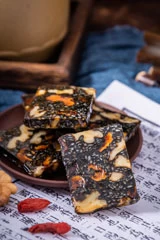
Ginseng has been an ancient herbal remedy for literally thousands of years and now are being widely used in dietary supplements. You can find ginseng in just about every type of form, including capsules, liquid drops and powders.
The problem is most people have trouble understanding the differences between the various types of ginseng available.
So what is the difference between one type of ginseng and another? Are all ginsengs created equal just because they have "ginseng" in their name?
The answer is NO!
While they are all called "ginseng," they all have different origins, different active compounds, and different potential health benefits. Picking the wrong ginseng out of confusion could cause you to waste money when using it for your health and, at worst, may actually be harmful to your health.
In this article, we will have a look at the five most common varieties of what people call "ginseng" on the market. We'll examine each type individually in detail to gain a better understanding of their active constituents, functions, and health implications when consumed.
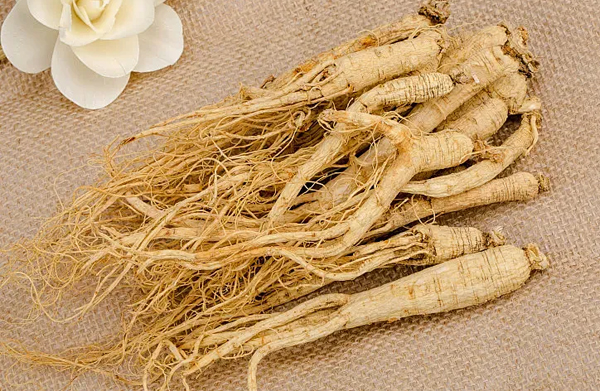
The Chinese or Panax Ginseng is a form of true ginseng; it is one of the earliest forms of ginseng. Chinese ginseng can be found in the Araliaceae family, along with other forms of North American ginseng. It is native to Northeast China (Manchuria), Korea (both South and North) and has a long history of being used as a medicine.
What active ingredients does it contain?
The primary active ingredient has a large number of ginsenosides, with many different types having been isolated and characterized, including Rb1, Rg1, Re, etc. Ginsenosides are the primary substances responsible for many of the physiological effects of ginseng.
What benefits are offered?
The Chinese refer to ginseng as a warm tonic that can help replenish the primary Qi(energy) through a strong restoration of the pulse preventing total collapse. Modern research indicates that Chinese ginseng provides the following benefits:
To increase energy and combat fatigue
To increase the immune system
To improve cognitive performance
To aid in the body's ability to cope with stress
Red Ginseng is not a separate ginseng species but rather a processed derivative of ginseng. Processing entails washing fresh (mostly found to be Chinese) ginseng, steaming it over an extended period of time, and subsequently drying it. Ginseng becomes red through the steaming process, and the medicinal constituents are changed in the steaming process.
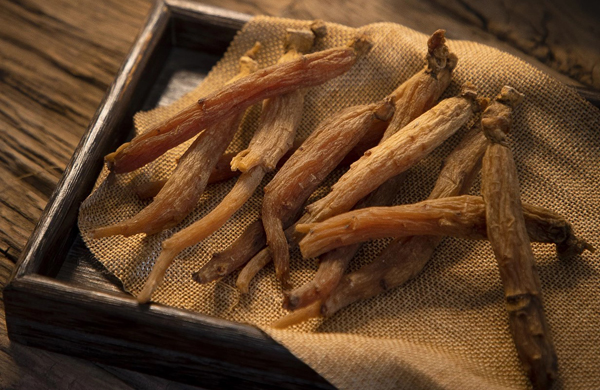
What ingredients does it contain?
One unique aspect of red ginseng is the conversion of ginsenosides to a limited selection of minor ginsenosides during the steaming process; these ginsenosides (Rg3, Rk1, Rh2, etc.) are either not found in, or present only in very small amounts, in panax ginseng. They provide an additional chemical base for the greater tonic effects of red ginseng as compared to panax ginseng.
What benefits does it provide?
Red ginseng has significantly more potency than panax ginseng after the steaming process, giving rise to the following usage:
Strong tonic effects to treat extreme fatigue
Enhance immune function
Provide support for individuals who tend to feel cold and tire easily through tonic effect.
Korean Ginseng is actually Chinese Ginseng that comes from the Korean Peninsula and undergoes Korea's steam-dry process. The key ingredients are identical to Chinese Red Ginseng, making it comparable to Chinese Red Ginseng
What are the Key Ingredients of Korean Ginseng?
Korean Ginseng has identical key ingredients that Red Ginseng has.
What are the effects of Korean Ginseng?
Just like Red Ginseng, Korean Ginseng has similar benefits, such as providing warming caregiver-like support for overall wellness and increased immunity.
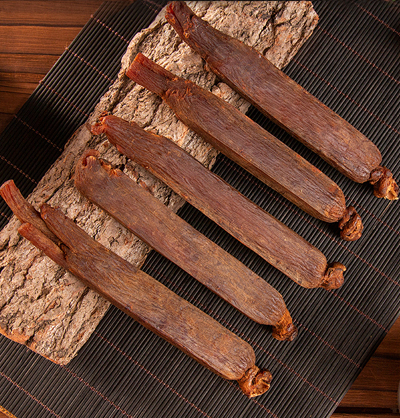
North America is the primary home of the American ginseng plant (Panax quinquefolius) because it is indigenous to North America, particularly in the United States and Canada. American ginseng has been known since prehistoric times and was used by Native Americans for medicinal purposes.
The active ingredients found in American ginseng are ginsenosides. The exact types and ratios of these ginsenosides vary greatly from those found in panax ginseng. For example, while panax ginseng typically contains a higher proportion of the ginsensosides Rb1 and Rg1, American ginseng contains relatively more Rb1, resulting in different properties than those of panax ginseng.
While many Panax ginseng products may be used as stimulants or, to a certain degree, tonics that induce heat, American Ginseng works more as a way to cool down the body and help you recover from fatigue than it does to stimulate you or create excessive heat in the body. If Panax Ginseng are likened to "turning on your engine and stepping on the gas pedal", American Ginseng is most compared to "adding coolant to a hot, worn-out engine and helping theengine run optimally and smoothly".
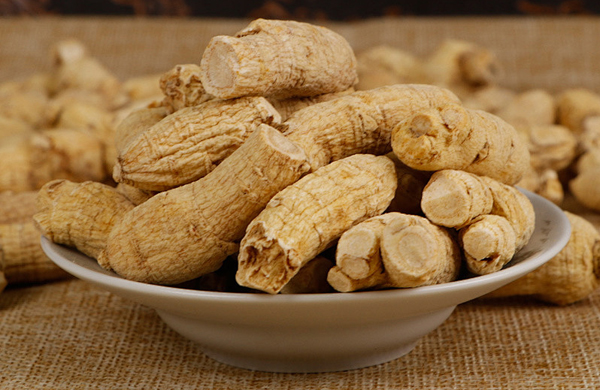
American Ginseng helps bring your body out of an overstimulated state of fatigue (high-speed idling) to help restore your body's energy levels to an even, steady and sustainable operating level.
Suitable For Three Typical Modern Lifestyles:
Warm, sweaty palms, dry mouth and flushes in the afternoon, unexplained irritability, and poor or light sleep.
Physical fatigue and weakness, with a tendency to develop a sore throat, acne or mouth ulcers from staying up late or from a poor diet.
Recovery time after staying up late, jet lag or mental exertion for prolonged periods of time.
Eleuthero commonly known as "Siberian Ginseng", actually it is not true ginseng. In terms of taxonomical relationships, true ginseng is found in the Panax genus, while Eleuthero is in the Eleutherococcus genus of the same family. Siberian Ginseng has a distant relationship to its true cousin.
Siberian Ginseng grows mainly in cold climates, such as North Eastern China and Far East Russia, and has long been used as an adaptogen.
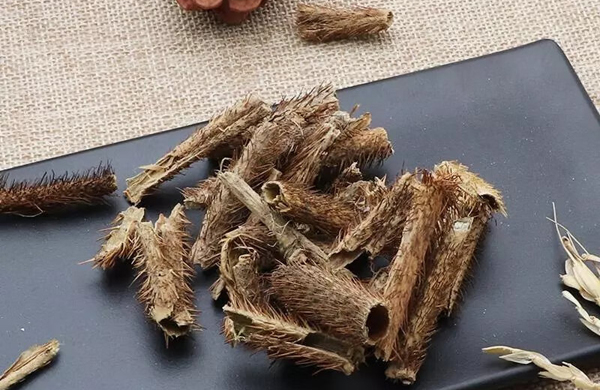
The active ingredients in Eleuthero are not Ginsenosides. The main active ingredients in Eleuthero are Eleutherosides, as well as polysaccharides and other types of compounds.
Eleutherococcus acts very different than true Ginseng, but is still an adaptogen to help balance the body to adapt to stressors. Primary usage includes:
Fighting off fatigue and increasing stamina
Improving adaptation to stressors
Increasing cognitive focus and concentratio
Its effects are more of an adjust than an tonic action. This makes the manner of action relatively gentle and mild in its nature when compared to Ginseng.
To sum it up: It has "Ginseng" in the name, but it's not real ginseng. Helps you manage stress and get more energy (not necessarily a traditional tonic).
American ginseng is for calming your nerves and cooling your body.
Red ginseng is for warming up your body and giving you more energy.
Eleuthero can help you withstand more stress; it does NOT provide deep nourishment.
If you choose the wrong one, it may not help or could even make you feel worse. So choosing the right one is more important than simply choosing the more expensive one.
Before making your purchase, know what the actual product contains, rather than simply how much it costs.
I hope this has helped to clarify some of the confusion regarding the different types of ginseng herbs.
Make the correct choice, use them correctly, and watch these ancient herbs deliver on their promise of improved health.

+86-13570052379
+86-13570052379
Building 4, No. 11 Tongfu Road, Xicheng Industrial Zone, Xicheng Village, Renhe Town, Baiyun District, Guangzhou City
Custom Supplements