In today's high-stress world, anxiety, poor sleep, and mood swings are becoming major health concerns for consumers everywhere. We've selected six well-known herbs from around the world to create a natural, gentle, and effective formula for relaxation and better sleep.
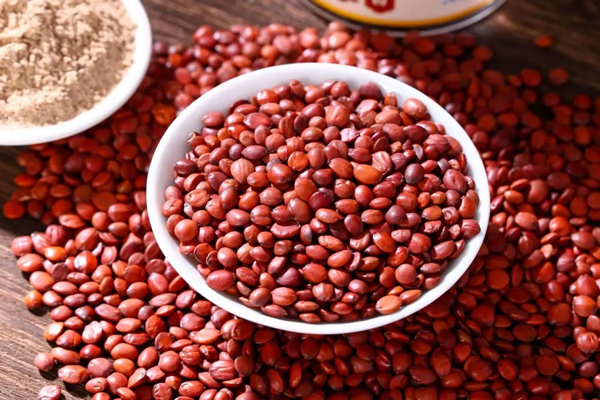
1. Jujube Seed (Ziziphus Seed) – The Eastern Sleep Master
Traditional Role: A core herb in Traditional Chinese Medicine for treating insomnia. Known as the "No.1 herb for calming the mind."
How it works?
Regulates neurotransmitters: The total flavonoids and total saponins in Jujube seed significantly increase serum levels of 5-HT (serotonin) and GABA, while reducing excitatory neurotransmitters such as DA (dopamine), ACH (acetylcholine), and L-Glu (glutamate).
Regulates circadian rhythm: Helps restore the sleep-wake cycle by influencing the expression of rhythm-regulating genes in the hypothalamus, including Per1, Per2, and Bmal1.
Anti-anxiety effect: Enhances GABA receptor activity, inhibits overactivation of the HPA axis (hypothalamic-pituitary-adrenal axis), and reduces cortisol release.
? Advantage: Gentle, safe, and suitable for long-term use.
? Best for: Chronic insomnia
2. Chamomile – The Gentle Sleep Flower
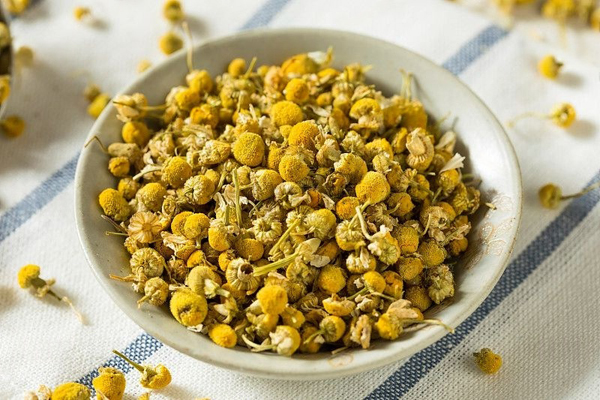
Traditional Role: The most popular bedtime herbal tea in Europe and America. Known as a "gentle sleep inducer."
How it works?
Apigenin (a compound in chamomile) binds to GABA receptors in the brain, producing a mild calming effect
Clinical studies show that drinking chamomile tea for 8 consecutive weeks can significantly improve sleep quality and relieve anxiety
The mechanism is believed to be related to the GABAergic pathway in the central nervous system
? Advantage: Suitable for people with mild stress
? Best for: Daily relaxation
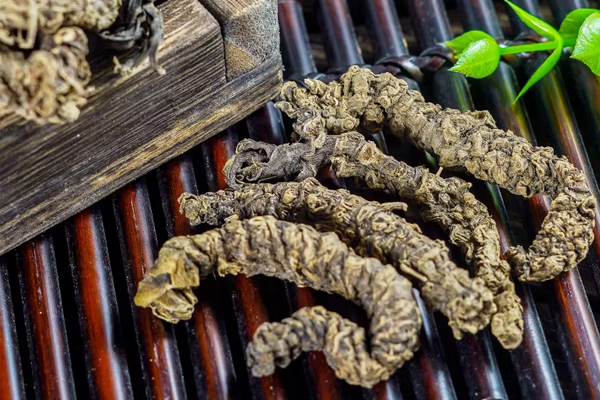
3. Valerian Root – The Western Sleep Classic
Traditional Role: Used since ancient Greek and Roman times for sleep issues. One of the best-selling sleep herbs in Western countries.
How It Works:
Valerenic acid boosts GABA receptor activity and slows down GABA breakdown
Studies show it helps you fall asleep faster, sleep longer, and sleep better
Also helps with anxiety, menopausal hot flashes, and muscle cramps
? Advantage: Most direct and noticeable sleep effect.
? Best for: Difficulty falling asleep
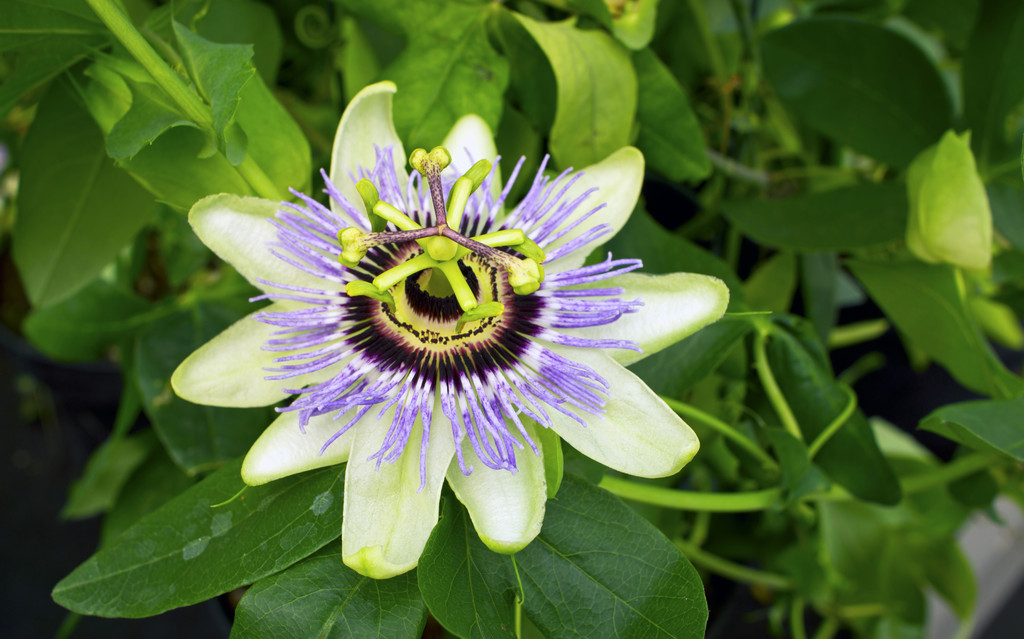
4. Passionflower – The Anti-Anxiety Sleep Expert
How It Works:
Apigenin binds to central benzodiazepine receptors, producing an anti-anxiety effect
Studies show that passionflower extract can reduce amphetamine-induced hyperactivity and restless behavior
Animal studies demonstrate that it prolongs barbiturate-induced sleep time
? Advantage: Perfect for people whose sleep issues are caused by stress.
? Best for: Anxiety & stress
5. Ashwagandha – The Global Adaptogen Star
Traditional Role: A "royal herb" in Indian Ayurvedic medicine. Often called "Indian Ginseng."
How It Works:
Lowers cortisol levels by regulating the body's stress response system (HPA axis)
Clinical study: People with poor sleep who took KSM-66® Ashwagandha saw a 69% improvement in overall sleep quality
Helps you fall asleep faster and wake up less during the night
? Advantage: Dual action – reduces stress AND improves sleep.
? Best for: High-stress individuals
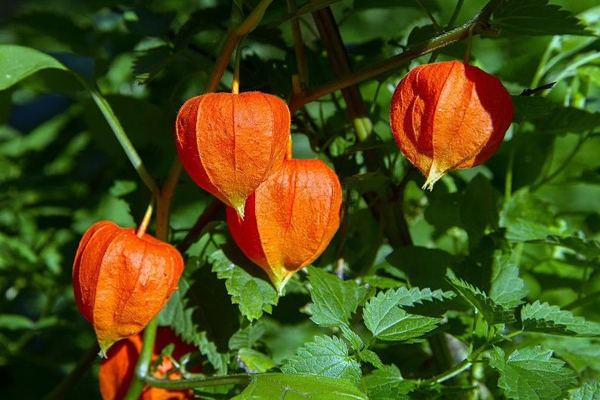
6. Lemon Balm – The Gentle Calming Herb
Main Components: Polyphenols, citral, flavonoids, etc.
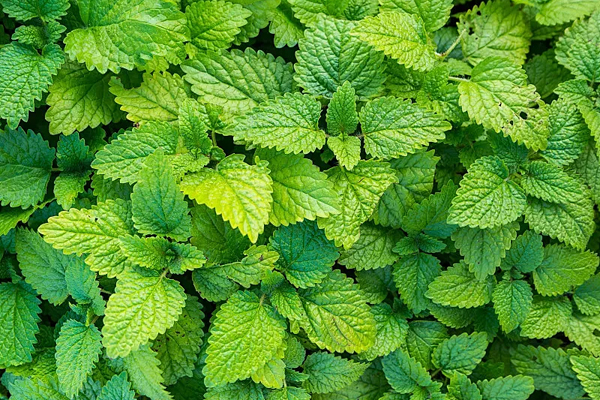
How It Works:
Has anti-anxiety, sleep-supporting, and antioxidant effects
Works synergistically with valerian root: A study on 169 children with focus issues showed that the combination of valerian root + lemon balm reduced lack of focus from 75% to 14% and hyperactivity symptoms from 61% to 13%
Helps relieve tension and promotes emotional relaxation
? Advantage: Pleasant taste – great for gummies and beverage formats
? Best for: Women / Mild stress
Europe: Valerian + Chamomile
USA: Ashwagandha (trending / popular)
Russia: Adaptogen + Calming blends
Southeast Asia: Gummies / Beverages (more popular)
? Sleep Support (Strong): Valerian Root + Ziziphus Seed + Passionflower
? Daily Stress Relief: Ashwagandha + Lemon Balm + Chamomile
? Women's Relaxation: Lemon Balm + Chamomile (great taste / flavor-friendly)
✅These six herbs form the most globally popular natural solution for sleep and stress relief.
✔ Gentle & Safe
✔ Scientifically Synergistic
✔ Adaptable to Multiple Market Needs
✔ Flexible for Various Dosage Forms (Capsules, Gummies, Teas, Liquids, etc.)

+86-13570052379
+86-13570052379
Building 4, No. 11 Tongfu Road, Xicheng Industrial Zone, Xicheng Village, Renhe Town, Baiyun District, Guangzhou City
Custom Supplements